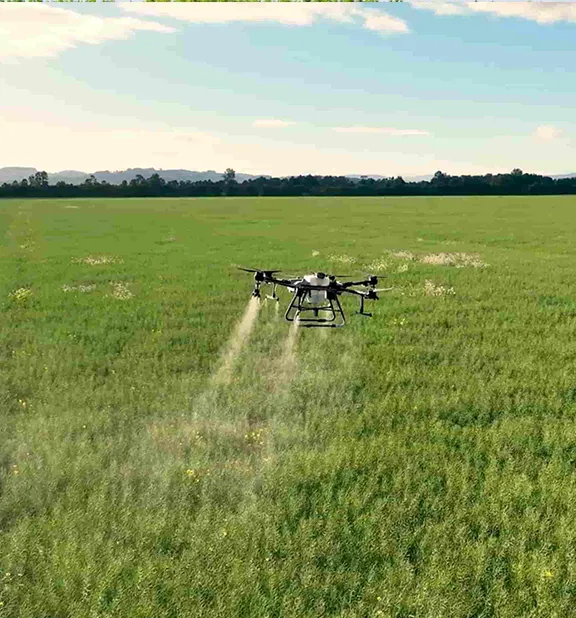
Is Drone Spraying Worth for Small Farms
Is Drone Spraying Worth It for Small Farms?
If you own or manage a small farm, you've probably wondered whether agricultural drones are only practical for large farming operations. With drone technology becoming more common across North Carolina, many small farm owners are asking the same question:
Is drone spraying actually worth it for a small farm?
The answer is often yes—especially when your operation has fields that are difficult to access, irregularly shaped, or too small to justify bringing in large ground equipment. While every farm is different, drone spraying can provide significant advantages in efficiency, crop protection, and overall field management.
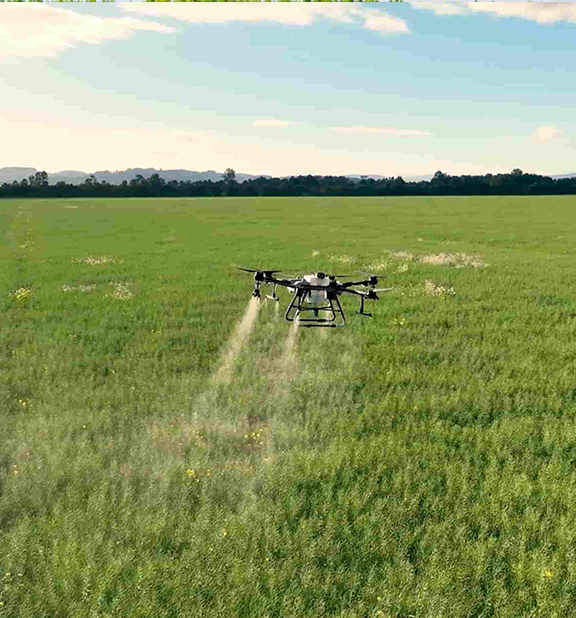
What Is Agricultural Drone Spraying?
Agricultural drones are designed to apply crop protection products such as:
Herbicides
Fungicides
Insecticides
Foliar fertilizers
Micronutrients
Plant growth regulators (where labeled)
Unlike traditional spray equipment, drones fly directly over the crop using GPS-guided flight paths. This allows for highly accurate applications while avoiding the soil compaction and crop damage caused by tractors or self-propelled sprayers.
Why Small Farms Benefit the Most
Many people assume drones are best suited for thousands of acres. In reality, smaller farms often experience some of the greatest advantages.
1. No Soil Compaction
Every pass made by a tractor compresses the soil beneath it. Over time, soil compaction can reduce water infiltration, restrict root growth, and negatively affect yields.
Because drones never touch the ground, there are:
No tire tracks
No compacted soil
No rutted headlands
2. No Crop Damage
Ground sprayers inevitably flatten some crops as they travel through the field.
Drone spraying eliminates this issue entirely because the aircraft never enters the crop canopy.
For high-value crops, preventing even a small amount of crop loss can make a meaningful difference.
3. Access After Rain
North Carolina weather doesn't always cooperate.
After heavy rain, fields may stay too wet for tractors without causing ruts or getting stuck.
A drone can often be deployed much sooner, allowing applications to be made during the ideal treatment window.
That can be especially important when applying fungicides or insecticides where timing directly affects performance.
4. Perfect for Odd-Shaped Fields
Many smaller farms include:
Narrow fields
Irregular property lines
Wooded borders
Creeks
Drainage ditches
Terraces
These areas are often inefficient for large spray equipment.
GPS-guided drones can easily follow complex field boundaries while minimizing overlap.
5. Better for Sensitive Areas
Drones work well around:
Ponds
Streams
Wetlands
Tree lines
Fence rows
Utility easements
They allow operators to make precise applications without driving equipment into difficult terrain.
When Drone Spraying Makes the Most Sense
Drone spraying is especially valuable for:
Rye
Barley
Specialty crops
Orchards
Vineyards
It's also useful for golf courses, sports fields, and large landscaped properties.
What About Cost?
Many farmers assume drone spraying is more expensive.
However, it's important to consider the total value—not just the application cost.
Potential savings include:
Less crop damage
No soil compaction
Faster application
Better timing
Improved access after rainfall
Reduced fuel consumption
Less equipment wear
No need to own expensive spray equipment
For many small farms, hiring a drone spraying service can cost far less than purchasing, maintaining, and storing a dedicated sprayer.
Are Drone Applications Effective?
Modern agricultural drones use precision GPS guidance and are capable of making accurate, repeatable applications when operated according to pesticide labels and best management practices.
Application success depends on several factors, including:
Product selection
Spray volume
Droplet size
Weather conditions
Crop stage
Application timing
Working with a properly licensed and insured drone operator helps ensure applications are made safely and in accordance with label requirements.
Frequently Asked Questions
How many acres can a drone spray?
Capacity depends on the drone model, field layout, product being applied, and gallons per acre. Modern agricultural drones can efficiently treat many acres in a single day under suitable conditions.
Can drones replace tractors?
Not entirely.
Ground equipment remains important for many farming operations. Drone spraying is another tool that can complement existing equipment, particularly when conditions make ground applications difficult.
Are drone applications legal?
Yes. Commercial agricultural drone applications must comply with FAA regulations and pesticide laws. Operators should hold the appropriate FAA certifications and state pesticide licenses.
Can drones spray wet fields?
Yes. Since drones never drive through the field, they can often treat fields that would be inaccessible to ground equipment after rainfall.
The Bottom Line
For many North Carolina farms, drone spraying is no longer a technology of the future—it's a practical tool available today.
If your farm has wet fields, irregular field shapes, sensitive areas, or high-value crops, drone spraying can help you make timely applications while avoiding soil compaction and crop damage.
Even if you farm only a few acres, hiring a professional drone spraying service may provide a more efficient and cost-effective alternative to purchasing and maintaining your own spray equipment.
Need Professional Drone Spraying in North Carolina?
Carolina Crop Spray provides precision agricultural drone spraying throughout North Carolina for row crops, specialty crops, orchards, vineyards, sod farms, and golf courses.
Whether you need herbicide, fungicide, insecticide, or foliar nutrient applications, we can help you protect your crop with accurate GPS-guided drone applications.
Contact Carolina Crop Spray today to request a quote and learn whether drone spraying is the right solution for your farm.
