How Much Does Drone Crop Spraying Cost?
How Much Does Drone Crop Spraying Cost?
One of the first questions we hear from farmers is:
"How much does drone crop spraying cost?"
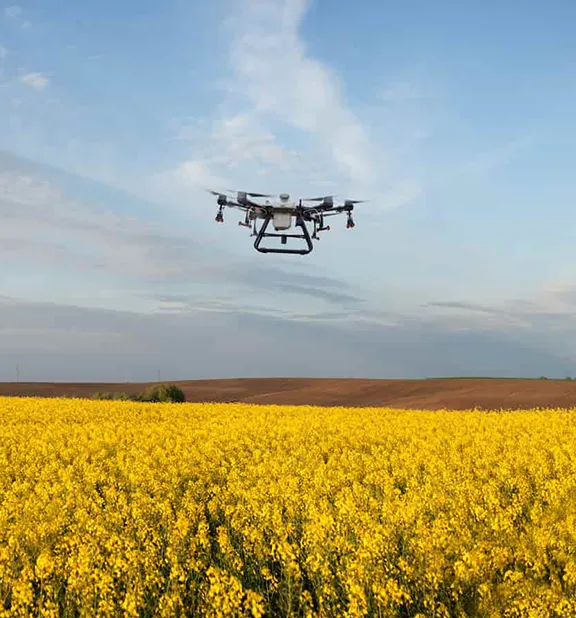
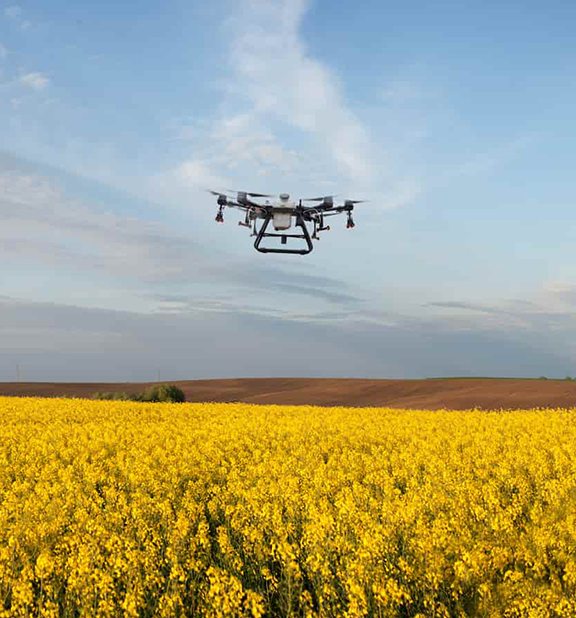
The answer depends on several factors, including the size of the field, the application rate, obstacles, and the type of crop being treated. While every job is unique, most professional agricultural drone spraying services charge between $14 and $25 per acre.
For many North Carolina farmers, drone spraying isn't just about the price per acre—it's about protecting yield, avoiding crop damage, and getting applications made when timing matters most.
Average Drone Spraying Cost
At Carolina Crop Spray, our pricing generally falls within this range:
ServiceTypical PriceStandard Drone Spraying$14–$25 per acre
The final price depends on the complexity of the job and the amount of product being applied.
What Affects the Cost?
Several factors influence the final application price.
1. Gallons Per Acre (GPA)
One of the biggest pricing factors is how much spray solution is being applied.
Higher spray volumes require:
More water
More battery changes
More refill stops
Longer flight times
For example:
Low-volume herbicide applications often require fewer gallons per acre.
Some fungicides and contact products may require higher spray volumes for adequate coverage.
Higher GPA applications generally cost more because they take longer to complete.
2. Field Size
Larger fields are usually the most efficient to spray.
Small fields require:
More setup time
More takeoffs and landings
More repositioning
A 100-acre field is generally more efficient than ten separate 10-acre fields.
3. Field Shape
Nice square fields are quick and efficient.
Irregular fields with:
Wood lines
Creeks
Drainage ditches
Sharp corners
Tree islands
require additional flight planning and more turns, increasing application time.
4. Power Lines and Obstacles
Obstacles can significantly affect spraying efficiency.
Examples include:
Power lines
Utility poles
Cell towers
Windmills
Irrigation equipment
Buildings
Tree lines
These hazards require slower flight speeds and additional maneuvering to maintain safe operations.
5. Distance Between Fields
Several fields located close together are much more efficient than multiple fields spread miles apart.
Travel time between locations increases operating costs.
6. Minimum Service Charges
Every spraying operation includes travel, setup, mixing, calibration, and equipment preparation.
Because of this, many professional operators establish a minimum job charge for very small applications.
7. Tank Clean-Outs
Switching between different pesticides often requires a complete tank and plumbing clean-out.
For example:
Herbicide to fungicide
Fungicide to insecticide
Conventional to organic products (where applicable)
Additional clean-out procedures help prevent contamination and protect future applications.
Why Farmers Choose Drone Spraying
Many growers compare only the price per acre.
Instead, consider the total value.
Drone spraying offers several advantages that can outweigh a slightly higher application cost.
No Crop Damage
Ground equipment creates wheel tracks.
Drones never touch the crop.
No Soil Compaction
Heavy sprayers compress soil.
Drones eliminate that problem entirely.
Better Access
After rainfall, fields often remain too wet for tractors.
Drones can frequently make applications much sooner.
Timely Applications
Many fungicides and insecticides perform best when applied during narrow treatment windows.
Missing that window can reduce effectiveness.
Precision Coverage
Modern agricultural drones use GPS-guided autonomous flight paths that provide accurate and repeatable applications while reducing overlap.
Is Drone Spraying Worth the Cost?
For many farms, absolutely.
Drone spraying is particularly valuable for:
It's also an excellent option for fields that are:
Too wet for ground equipment
Small or irregularly shaped
Surrounded by trees
Located near creeks or drainage ditches
Difficult to access with traditional sprayers
Frequently Asked Questions
What is the average cost of drone crop spraying?
Most agricultural drone spraying services charge between $14 and $25 per acre, depending on the application requirements and field conditions.
Does a higher gallons-per-acre rate cost more?
Yes. Higher GPA applications require more refill stops, more flight time, and additional labor, which can increase the overall price.
Do obstacles affect pricing?
Yes. Power lines, irrigation systems, trees, buildings, and other hazards require slower, more precise flight operations and may increase application costs.
Is drone spraying cheaper than buying my own sprayer?
For many small and medium-sized farms, hiring a drone spraying service is more economical than purchasing, maintaining, insuring, and operating dedicated spray equipment.
Request a Quote
Every farm is different, which is why we provide customized pricing based on your acreage, crop type, field conditions, and application requirements.
At Carolina Crop Spray, most applications fall within a $14 to $25 per acre price range, with pricing adjusted for factors such as application volume, field complexity, travel, obstacles, and specialty application requirements.
If you're looking for professional agricultural drone spraying anywhere in North Carolina, contact Carolina Crop Spray today for a free, no-obligation quote. We'll help you determine the most efficient and cost-effective solution for your operation.
NEXT ARTICLE
