Crop Spraying and Aerial Photography and Videography Solutions
North Carolina's Premier Drone Services
Serving farms, businesses, and landowners across North Carolina with precision drone spraying, orthomosaic mapping, photogrammetry and professional aerial video and photography that saves time, improves accuracy, and delivers actionable results.
Why Carolina Crop Spray & Aerial Solutions
At Carolina Crop Spray, we combine advanced drone technology with professional expertise to help North Carolina farmers, businesses, and landowners protect their investments and make better decisions. Whether you need precision crop application, detailed aerial mapping, or high quality aerial photography, our mission is to deliver reliable service, accurate results, and exceptional value.
We specialize in agricultural drone spraying, orthomosaic mapping, photogrammetry, aerial inspections, and professional aerial photography. Every mission is carefully planned to meet the unique needs of your property, crop, or project. By combining modern drone technology with precision flight planning, we can provide accurate applications and detailed aerial data while minimizing disruption to your operation.
Drone technology has transformed the way agricultural and commercial services are performed. Unlike traditional ground equipment, drones can access fields with saturated soil, steep terrain, irregular boundaries, and difficult obstacles without causing soil compaction or crop damage. They also collect high resolution imagery that helps identify issues earlier, monitor progress over time, and support better management decisions.
Safety, precision, and regulatory compliance are at the core of every flight. Carolina Crop Spray operates in accordance with applicable FAA regulations and North Carolina pesticide requirements, following established procedures for flight planning, application accuracy, documentation, and risk management. Every project is approached with professionalism, attention to detail, and a commitment to protecting your crops, your property, and the surrounding environment.
Our goal is simple: provide dependable drone services that save time, improve efficiency, and deliver measurable value. Whether you need a single field treated, an aerial map of your property, or ongoing support throughout the growing season, Carolina Crop Spray is committed to providing the quality, service, and expertise you can depend on.
INTRODUCING
Carolina Crop Spray and Aerial Solutions
Agriculture
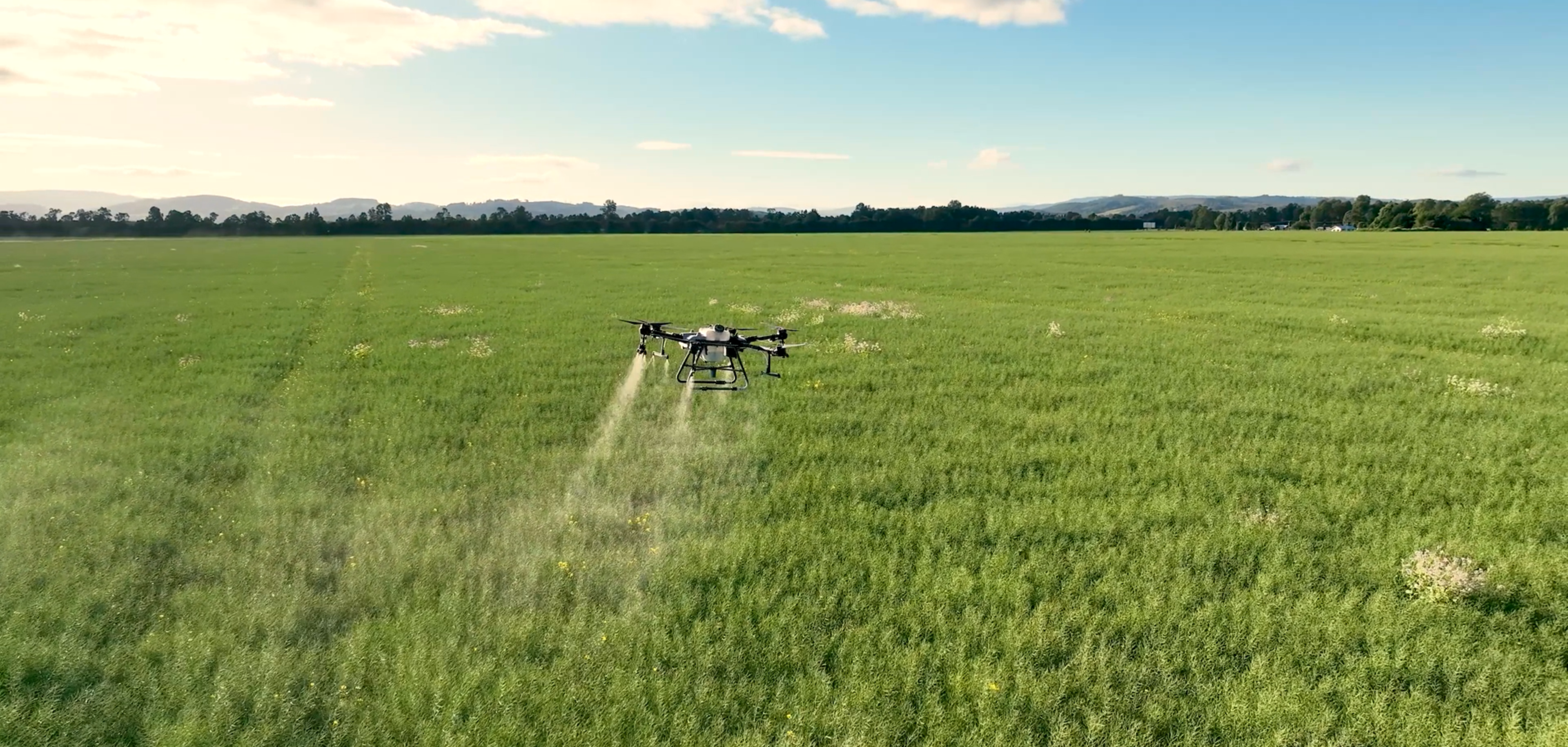
Precision drone services for modern agriculture.
Precision Crop Spraying
Aerial Field and Property Mapping
Crop Scouting
Orthomosaic Mapping
Heritage, Century and Bicentennial Farm Photography
Drought Monitoring
Real Estate
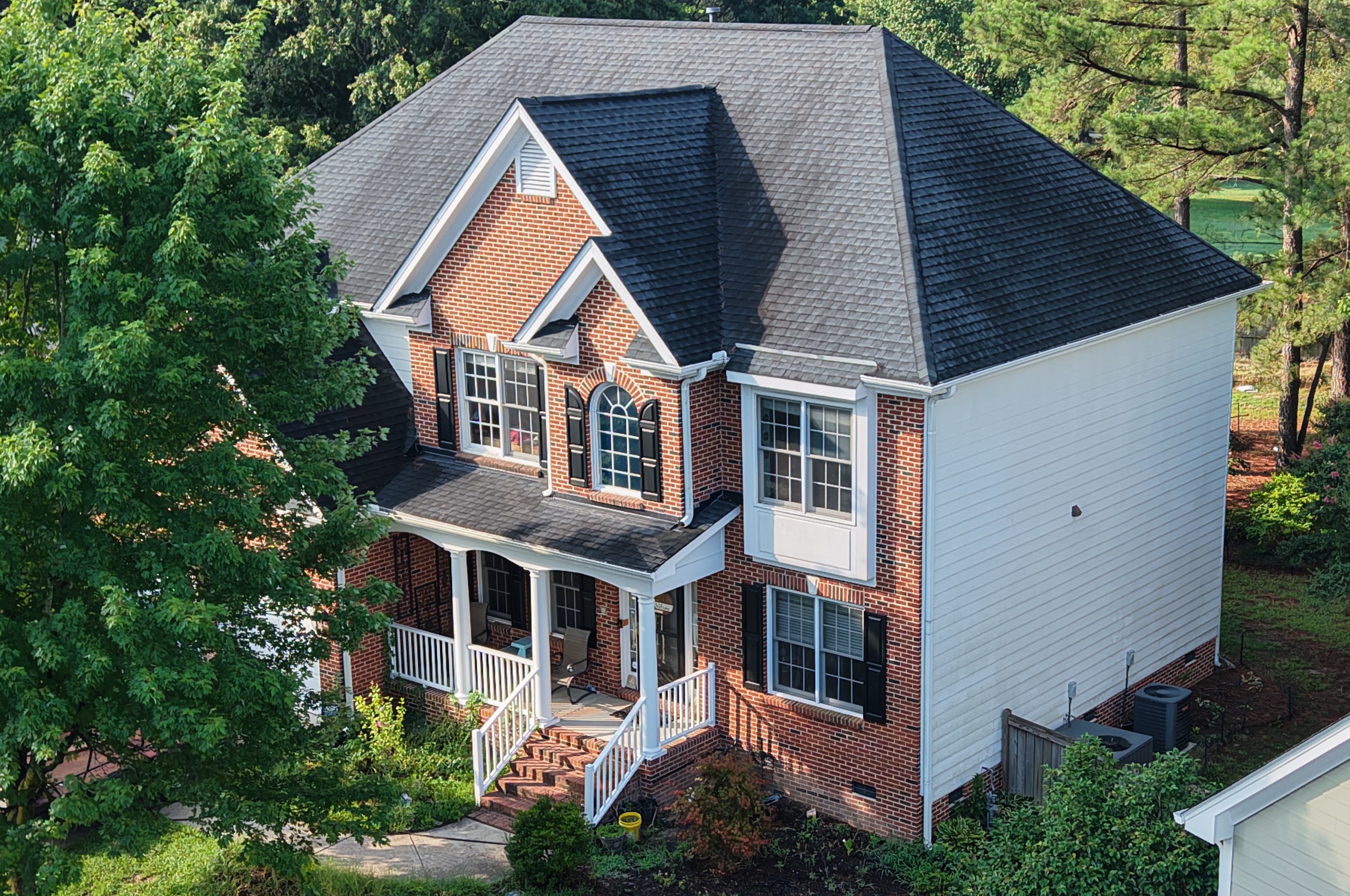
Showcase properties from a whole new perspective.
Commercial Real Estate Marketing Photos and Videos
Residential Real Estate Marketing Photos and Videos
Cinematic Video to showcase the property and location
Land Marketing, put acres of land into perspective.
Cinematic video to set your property apart.
Construction
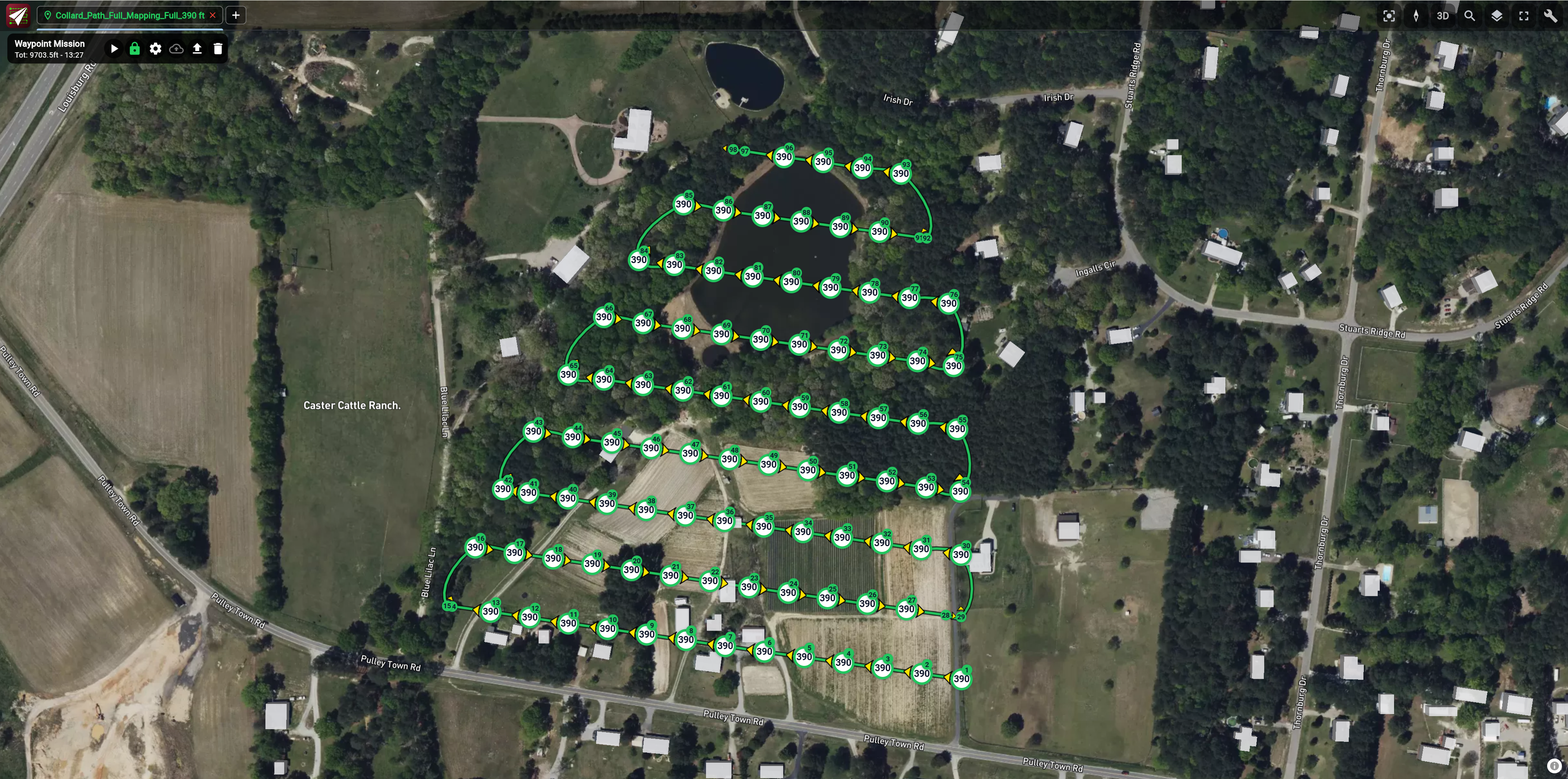
Monitor progress and document every stage of your project.
Daily, weekly, monthly construction progress
Aerial inspections and monitoring
2D Orthomosaic and 3D Photogrammetry mapping
Project marketing and timelapse
Events and Entertainment
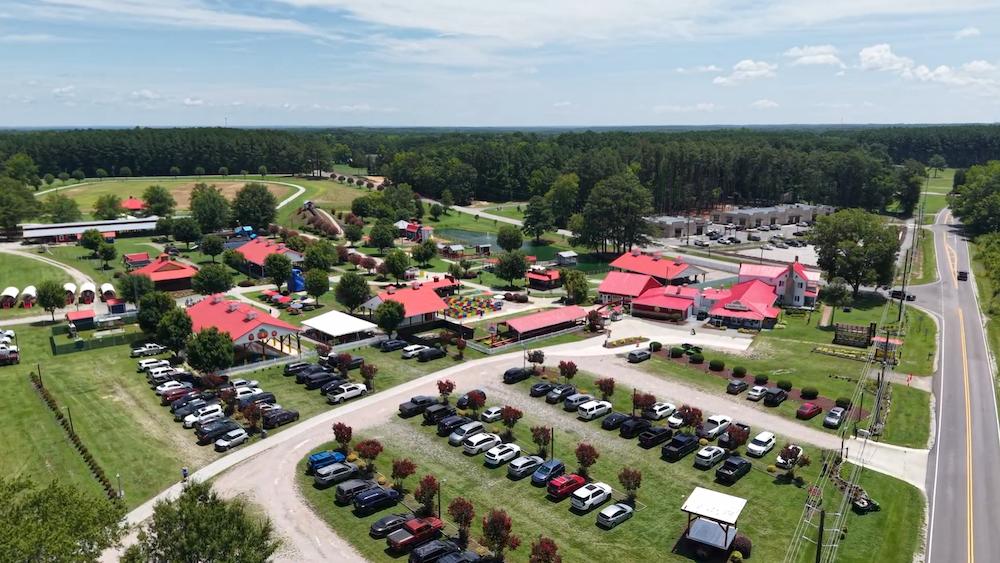
Capture memorable moments and special events from above.
Agrotourism, Amusement Parks, Restaurants, Markets
Festivals, concerts and celebrations
Promotional Videos for your website or social media
Aerial event photography and videography
Why Farmers are
Choosing Carolina Crop Spray With Drones

Healthier Crops &
Higher Yields
Consistency leads to stronger plant health across the entire field, not just the easy-to-reach areas. Stress is reduced. Inputs are used more efficiently instead of being overapplied or missed entirely.

We Spray on Your Schedule
You’re not waiting for fields to dry or scheduling a large crew. Drones can spray exactly when conditions are right, which matters more than most operators admit.

One Drone
Multiple Applications
A single drone can handle seeding, liquid fertilizer, herbicides, pesticides, fungicides, and other treatments. It adapts across row crops, orchards, vineyards, golf courses, and tree lines, including areas planes and ground rigs struggle to reach.

More Coverage. Less Waste.
Big spray rigs and destroy up to 4 bushels per use. Carolina Crop Spray drones leave zero tire tracks. No trampling. That alone can recover yield that ground rigs quietly destroy over a season.

Hills, Trenches & Mud
Wet fields, steep terrain, tree lines, and tight plots aren’t workable with multi-ton, $500K rigs. Drones turn unusable or delayed acres into revenue.

ROI in the First Year
Precision spraying reduces over-application. Less chemical used per acre when done correctly, especially on spot treatments and problem zones.
Why Real Estate Agents and Property Owners Are
Choosing Aerial Photo and Video
Showcase the Entire Property, Not just the Interior
Aerial photography captures the full layout of a property, including the home, acreage, landscaping, outbuildings, and surrounding features that ground level photos simply cannot show.
Create More Engaging Listings
Professional aerial photos and cinematic drone video help listings stand out online, attracting more views and encouraging potential buyers to schedule a showing.
Highlight the Location and Nearby Amenties
Drone imagery can illustrate proximity to lakes, parks, schools, downtown areas, highways, golf courses, and other desirable features that influence buying decisions.
Market Large, Rural or Vacant Properties
Farms, estates, vacant land, and commercial properties benefit from an aerial perspective that clearly communicates size, boundaries, access roads, and unique characteristics.
Builds Trust Through Transparency
High resolution aerial imagery provides buyers with a more complete understanding of the property before they visit, helping set accurate expectations and reducing surprises.
Professional Marketing
That Sells
Quality aerial photography and video elevate the appearance of a listing, strengthen an agent's brand, and create marketing materials suitable for MLS listings, social media, websites, brochures, and digital advertising.
Why Construction Companies Are
Choosing Aerial Photo and Video
Track Project Progress
Regular aerial photos and videos provide a clear visual record of construction progress, making it easy to compare milestones, monitor schedules, and document work over time.
Improve Project Management
Drone imagery gives project managers a comprehensive view of the entire job site, helping identify potential issues, coordinate subcontractors, and improve planning without walking the entire site.
Document Every Phase of Construction
High resolution aerial imagery creates a permanent record from groundbreaking to project completion, supporting documentation for clients, investors, and internal records.
Enhance Client Communication
Aerial photos and progress videos keep owners, developers, and stakeholders informed with professional updates that are easy to understand, even when they cannot visit the site.
Support Marketing and Business Development
Completed projects captured from the air make powerful additions to company websites, proposals, social media, and promotional materials, showcasing craftsmanship and project scale.
Increase Safety and Reduce Site Visits
Drones can safely capture detailed views of rooftops, elevated structures, and large construction sites without requiring personnel to access hazardous or difficult-to-reach areas.
Why Event Organizers, Planners, and Venues Are
Choosing Aerial Photo and Video
Capture the Full Experience
Drone photography and video showcase the size, energy, and atmosphere of an event in ways that ground based cameras simply cannot, creating memorable visuals from a unique perspective.
Create Powerful Promotional Content
High quality aerial footage is perfect for promoting future events through websites, social media, email campaigns, and advertising, helping attract more attendees and sponsors.
Highlight Large Crowds and Venues
Whether it's a festival, concert, fair, sporting event, or community celebration, aerial imagery captures the full scale of the venue and the excitement of the crowd.
Increase Social Media Engagement
Cinematic drone videos and striking aerial photos are highly shareable, generating more likes, comments, and shares while extending the reach of your event long after it ends.
Provide Sponsors with Greater Value
Aerial imagery can showcase sponsor signage, vendor areas, and branded experiences from above, giving sponsors additional exposure and valuable marketing content.
Create Lasting Memories
Professional aerial photography and video preserve special moments from weddings, festivals, charity events, corporate gatherings, and community celebrations, providing a unique keepsake that can be enjoyed for years to come.
Our Equipment
Codename: Swarm
FAA Registration #: N873CC
DJI Agras T50 Spray Drone
Weight: 52 kg/114 lb with battery and no payload
Payload Capacity: 40 L/10.5 gal or 40 kg\88 lbs
Acres per Hour: 8-75 acres per hour (avg 40 aph)
Dimensions: 2800x3085x820 mm unfolded
110.2x121.4x32.3 inches unfolded
Flight Radius: 2000 m/ 1.2 miles
Max Swatch Width: 8m/26.2 ft
Droplet Size: 50 to 500 microns
Codename: Dart
FAA Registration #: FA3T3TXRRF
DJI Air 3S Photo and Video Drone
1" CMOS Primary Camera for 50 Megapixel clarity
4K video at 60 fps HDR and 4k/120fps video
Medium and Telephoto range lens
45 min flight time
Automatic 360 degree Subject Tracking
Waypoint flight and cruise control for preset and automated flight paths for flying repeatable missions.
Nightscape Omnidirectional Vision Sensing and forward- facing LiDAR
Our Licensing
Pilot: Jeff Weidner
Licensed. Certified. Insured.
When you hire Carolina Crop Spray LLC, you're choosing a company that is committed to operating safely, legally, and professionally. Agricultural drone application requires specialized training, regulatory compliance, and the proper certifications. We maintain the licenses and insurance necessary to perform aerial application services while meeting both FAA and North Carolina requirements.
FAA Certified Drone Operations
Our remote pilots hold an active FAA Part 107 Remote Pilot Certificate, demonstrating the knowledge and qualifications required to safely operate unmanned aircraft for commercial purposes.
Agricultural application flights are conducted under the operational authority of Carolina Agri Drones' FAA Part 137 Agricultural Aircraft Operator Certificate, ensuring every application is performed in accordance with federal regulations governing aerial application.
North Carolina Licensed Pesticide Applicator
Carolina Crop Spray LLC is licensed by the North Carolina Department of Agriculture and Consumer Services in the following categories:
Core Pesticide Applicator
Agricultural Pest Control (Plant)
Aerial Application
Ornamental & Turf
Right-of-Way Pest Control
These certifications demonstrate our ability to apply pesticides responsibly while following label requirements, environmental regulations, and industry best practices.
Fully Insured
For your protection and peace of mind, Carolina Crop Spray LLC carries commercial drone liability insurance and pesticide application liability insurance. We believe every project deserves the confidence that comes from working with a properly insured professional.
Our Commitment
Every mission begins with careful planning and ends with complete documentation. From preflight inspections and weather evaluations to precise application records and safe operating procedures, we are committed to delivering dependable service while protecting your crops, your property, and the surrounding environment.
Whether we're treating a production field, creating an orthomosaic map, or capturing professional aerial imagery, our goal is the same: provide safe, accurate, and reliable drone services you can trust.
WHY CHOOSE US
Experts Trusted Us
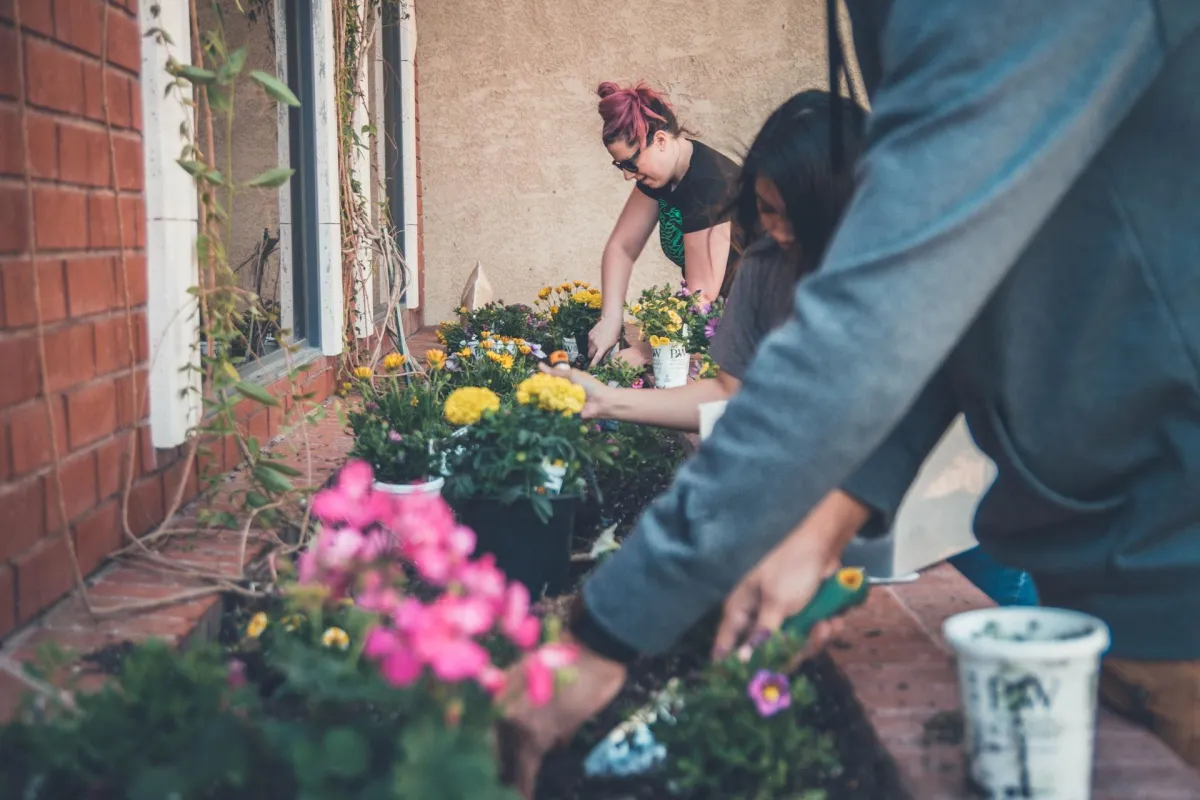



Landscaping
Lorem ipsum dolor sit amet, consectetur adipiscing elit. Duis at est id leo

Pruning plants
Lorem ipsum dolor sit amet, consectetur adipiscing elit. Duis at est id leo

Lawn Maintenance
Lorem ipsum dolor sit amet, consectetur adipiscing elit. Duis at est id leo
ABOUT US
Nurture The environment
Lorem Ipsum is simply dummy text of free available market typesetting industry has been the industry's standard dummy

Lorem Ipsum is simply dummy text of free available market type setting industry
Ligula molestie
Dolor sit amet onsectetur adipisicing elit, sed do eiusmod tempor incididunt
Magna vivamus
Lorem ipsum dolor sit amet, consectetur adipisicing elit, sed do eiusmod
Efficitur velit
Lorem ipsum dolor sit amet, consectetur adipisicing elit, sed do eiusmod
WHAT WE DO
Services for You
Landscaping
Lorem ipsum dolor sit amet, consectetur adipiscing elit. Duis at est id le

Pruning plants
Lorem ipsum dolor sit amet, consectetur adipiscing elit. Duis at est id le

Lawn Maintenance
Lorem ipsum dolor sit amet, consectetur adipiscing elit. Duis at est id le
Lawn Maintenance
Lorem ipsum dolor sit amet, consectetur adipiscing elit. Duis at est id le

Features Product
OUR GARDEN STORE

Lorem ipsum dolor sit amet

Lorem ipsum dolor sit amet

Lorem ipsum dolor sit amet

Lorem ipsum dolor sit amet
MEET OUR OWNER
Jeff Weidner


Finished Work
Dummy text of free available
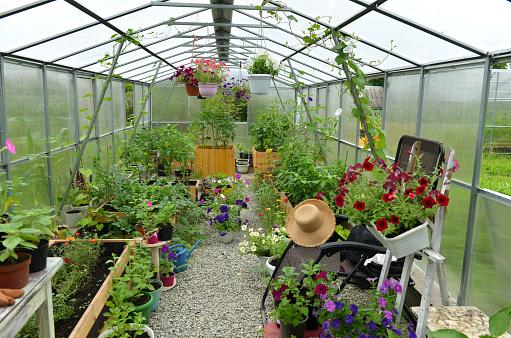
Finished Work
Dummy text of free available

Finished Work
Dummy text of free available

Finished Work
Dummy text of free available

Finished Work
Dummy text of free available

Finished Work
Dummy text of free available
CLIENT TESTIMONIALS
What our clients say

Jane Doe
Lorem Ipsum is simply dummy text of free available market typesetting industry has been the industry's standard dummy text ever. Lorem Ipsum is simply dummy text of free available

Jane Doe
Lorem Ipsum is simply dummy text of free available market typesetting industry has been the industry's standard dummy text ever. Lorem Ipsum is simply dummy text of free available

John Doe
Lorem Ipsum is simply dummy text of free available market typesetting industry has been the industry's standard dummy text ever. Lorem Ipsum is simply dummy text of free available
Get In Touch
Email: [email protected]
Address
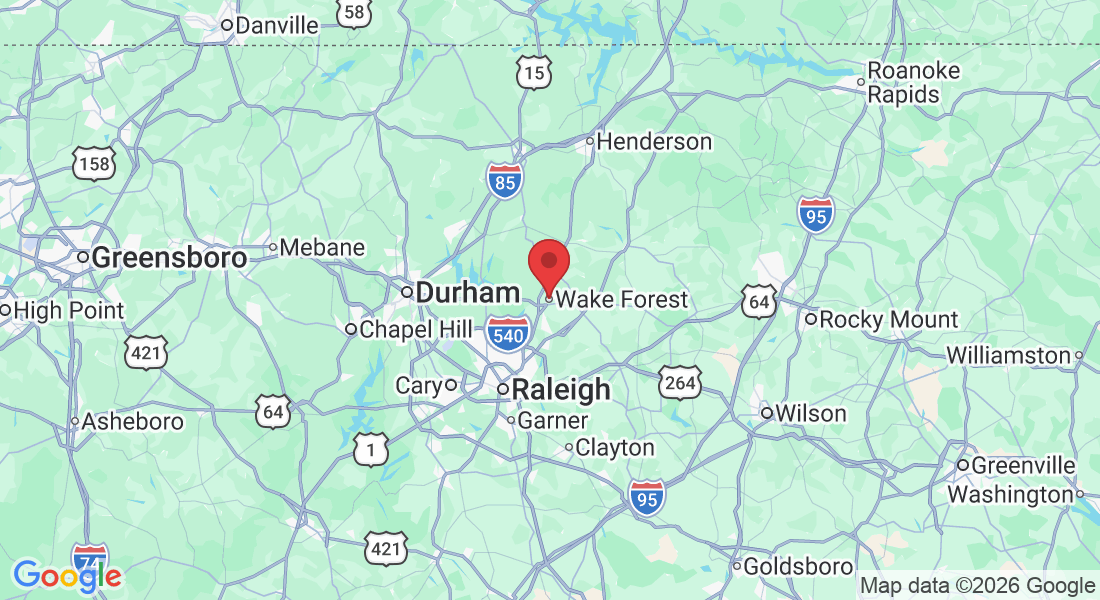
Office: 6108 Tiffield Way, Wake Forest, NC 27587
Assistance Hours
Mon – Sat 9:00am – 8:00pm
Sunday – By Appointment
Phone Number:
(910) 400-8859
Carolina Crop Spray LLC
Copyright 2026 All rights reserved
6108 Tiffield Way Wake Forest, NC 27587
[email protected]
(910) 400-8859



Facebook
Youtube